
Understanding the Importance of Controlling Gambling Habits
Gambling can provide an exciting way to entertain oneself, but for some people, it becomes challenging to control. Understanding how to control gambling habits is crucial for maintaining balance and well-being. Problem gambling can impact mental health, finances, and relationships. By recognizing early signs of compulsive gambling, individuals can take proactive steps to break the cycle and regain control of their lives.

What Are Gambling Habits and Why Do They Form?
A gambling habit refers to the consistent urge or routine to engage in betting or wagering activities, such as sports betting, online casinos, lotteries, or poker games. Gambling behavior can be triggered by social environments, financial aspirations, or emotional stress. Compulsive gambling often develops when betting becomes a coping mechanism for anxiety, boredom, or sadness.
Related LSI Keywords: gambling behavior, compulsive gambling, responsible gambling, gambling triggers, harmful betting patterns
Common Signs of Gambling Problems
- Spending more money or time on gambling than intended
- Lying to family or friends about gambling activities
- Chasing losses in an attempt to recover money
- Neglecting work, studies, or relationships
- Feeling anxious, depressed, or irritable when trying to stop
Practical Strategies on How to Control Gambling Habits
1. Identify Your Gambling Triggers
Analyze what situations, emotions, or people prompt the urge to gamble. Keeping a gambling diary can be helpful to recognize patterns in your emotions or environment that increase the desire to place bets. Once identified, it becomes easier to manage or avoid these triggers.
2. Set Clear Limits on Time and Money
Setting time limits and financial limits before engaging in any form of gambling activity is an essential aspect of responsible gambling. Always decide in advance how much money and time you will spend and stick to those boundaries no matter what. Never gamble with borrowed money or funds intended for essentials, and avoid using credit cards for gambling transactions.
3. Replace Gambling with Alternative Activities
Find hobbies, sports, or social activities that provide enjoyment and fulfillment without the risk of gambling losses. Engaging in healthy outlets such as exercise, arts, or volunteering can relieve stress and reduce boredom—two significant gambling triggers.

4. Seek Social Support for Problem Gambling
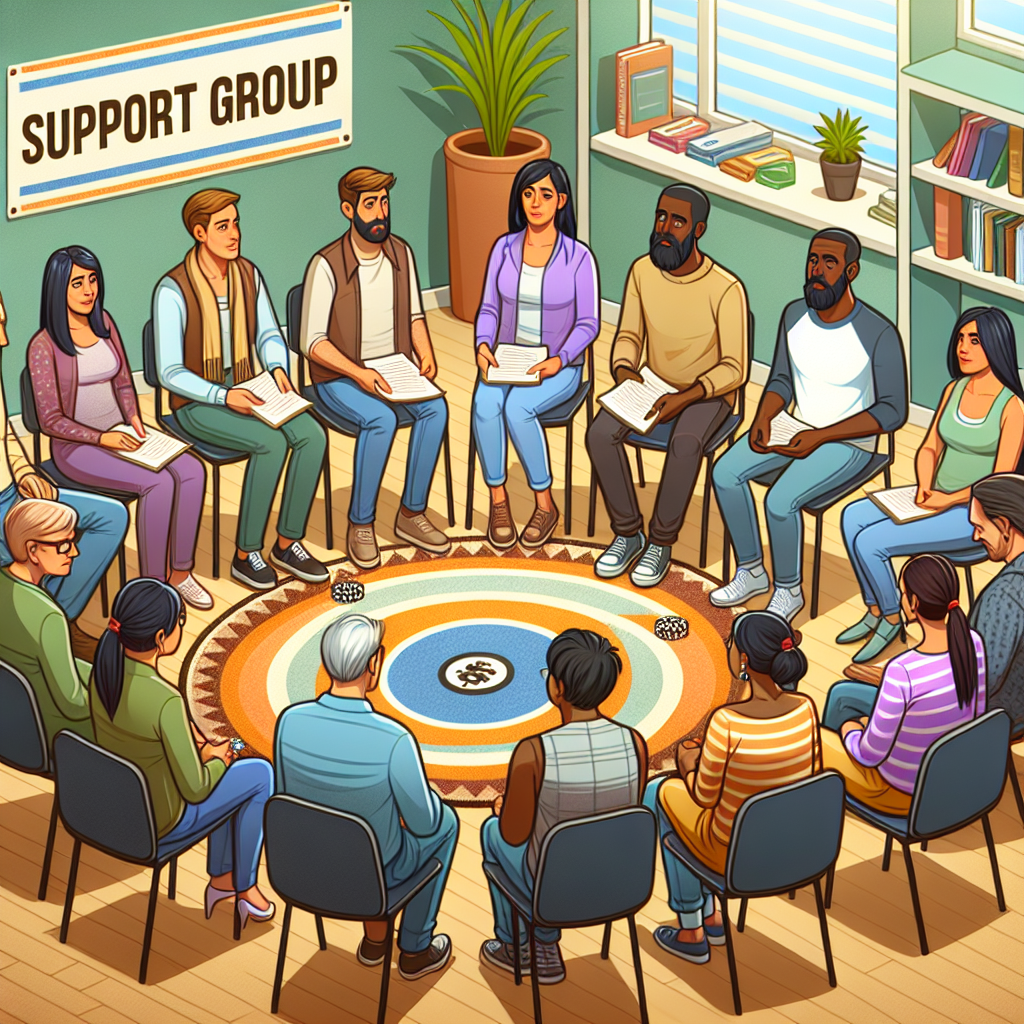
Reaching out to family or trusted friends can make a substantial difference in your recovery and self-control. Sharing your concerns and asking for help creates accountability and emotional connection. Consider joining a support group or consulting with a counselor who specializes in gambling addiction. Group therapies and professional counseling offer tools and techniques to manage gambling urges and develop healthy habits.
Managing Emotional and Psychological Triggers
Stress, loneliness, and anxiety are common triggers for unhealthy gambling behavior. Practice mindfulness, meditation, or journaling to increase self-awareness and regulate emotional responses. If depression or anxiety is overwhelming, consulting with a mental health professional can provide additional strategies for coping and controlling impulsive behaviors.
Dealing with Cravings: Actionable Tips
When a gambling urge strikes, distract yourself with a different activity, such as going for a walk, calling a friend, or listening to music. Visualization and thinking about past negative consequences can also help curb immediate impulses. Gradually, these replacement behaviors will become positive habits that reinforce your decision to stop gambling.

Key LSI Topics: How to Control Gambling Habits
- Problem gambling management
- Reduce gambling frequency
- Building self-discipline
- Overcoming gambling addiction
- Mindful gambling decisions
- Replacing risk-taking with healthy habits
- Financial self-control strategies
Long-term Prevention: Staying on Track for Success
Building long-term self-discipline means regularly reviewing your progress and rewarding yourself for milestones. Practice gratitude for positive changes and remind yourself why controlling your gambling habits is essential for your life goals. Consistency and self-compassion play vital roles in reshaping behavior and maintaining a healthier lifestyle.
Conclusion
Learning how to control gambling habits is a journey requiring patience, self-awareness, and the right support systems. By utilizing practical steps—such as setting limits, replacing harmful behaviors, and seeking support—you can regain command over your impulses and live a more balanced life. Remember, you’re not alone; many have successfully overcome gambling problems and built brighter, more secure futures.